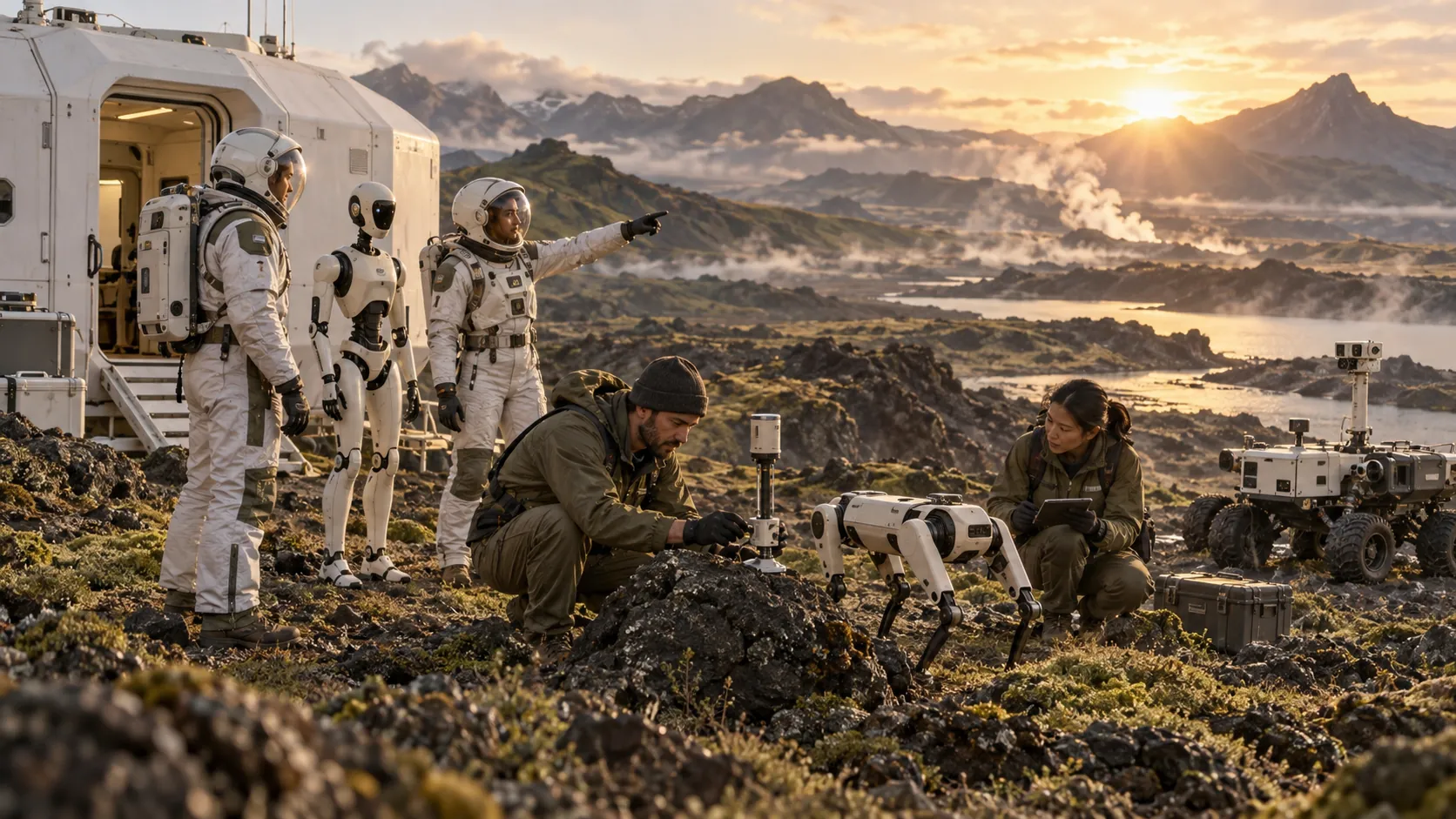
01 / CREW UNIT
Keep the operation moving.
Equipment handling, experiment support, inspection rounds, and day-to-day field operations.
Discuss a pilot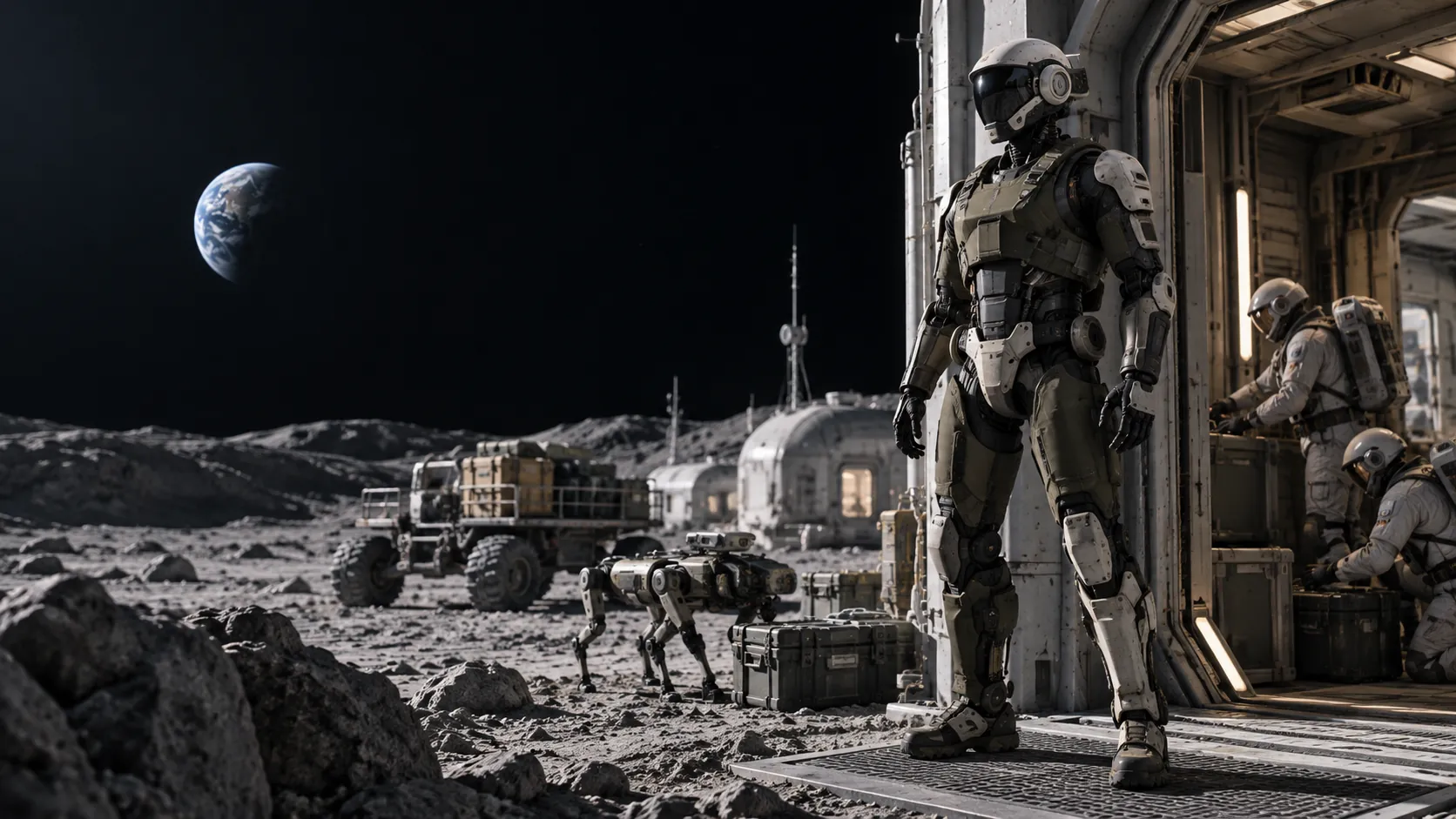
Existing robots. Extraordinary assignments.
From Earth operations to a future in space.
Section 31 is building a fleet operations platform around robots from existing manufacturers. We bring the hardware, software, design partners, and human teams together to get useful work done. Earth is the starting point. Space is the destination.
Source proven platforms. Adapt them with design partners. Integrate tools and workflows. Operate alongside real teams, including analog mission crews.
LIVE INTERACTION REAL-WORLD LEARNINGFor analog missions, habitat teams, researchers, and field operators. Start with an assignment: inspection rounds, route surveys, equipment handling, or resupply.
Equipment handling, experiment support, inspection rounds, and day-to-day field operations.
Discuss a pilotPatrol, situational awareness, anomaly investigation, crew escort, and emergency support.
Discuss a pilot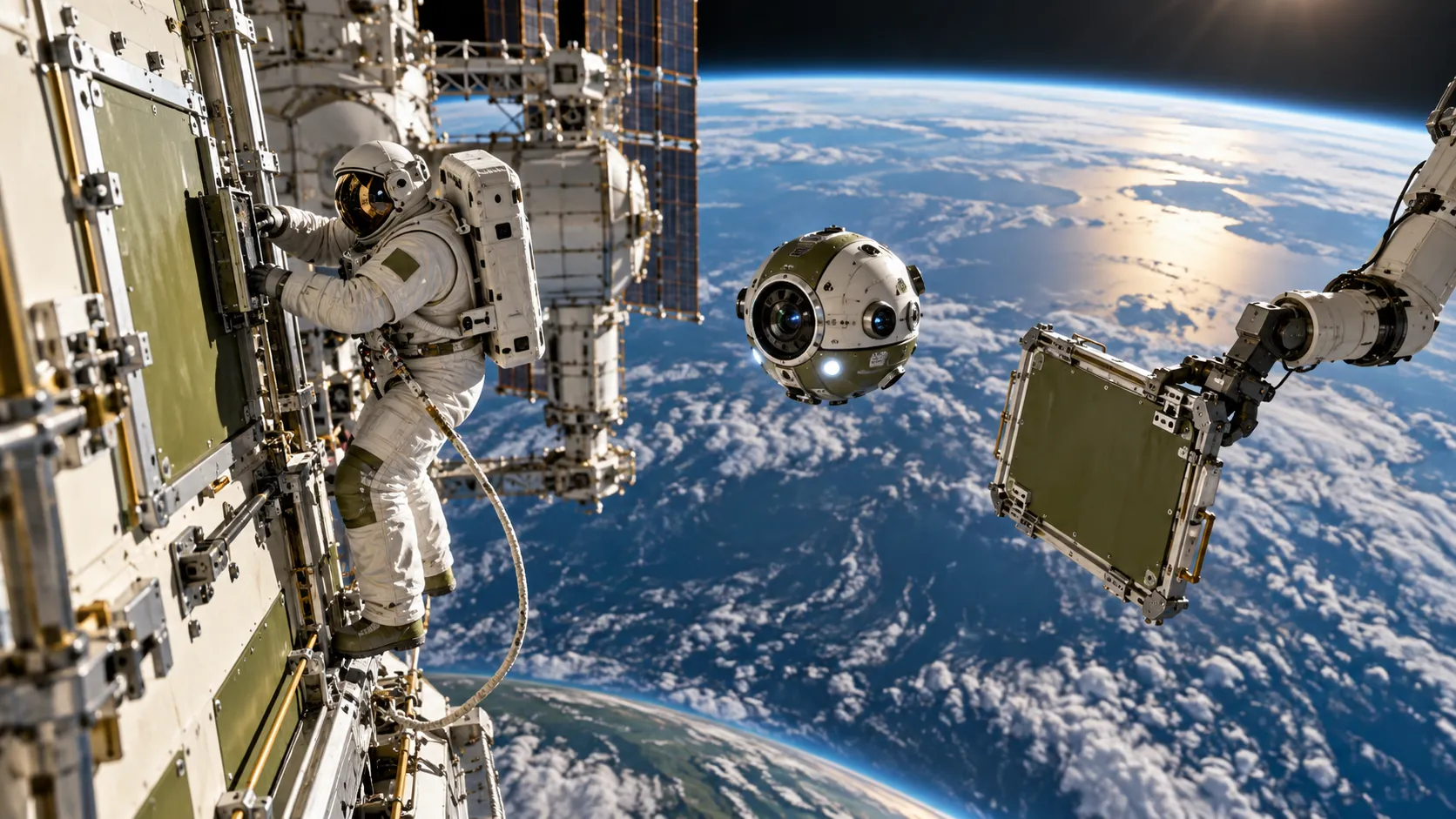
Route assessment, site surveys, mapping, and remote observation in unfamiliar environments.
Discuss a pilot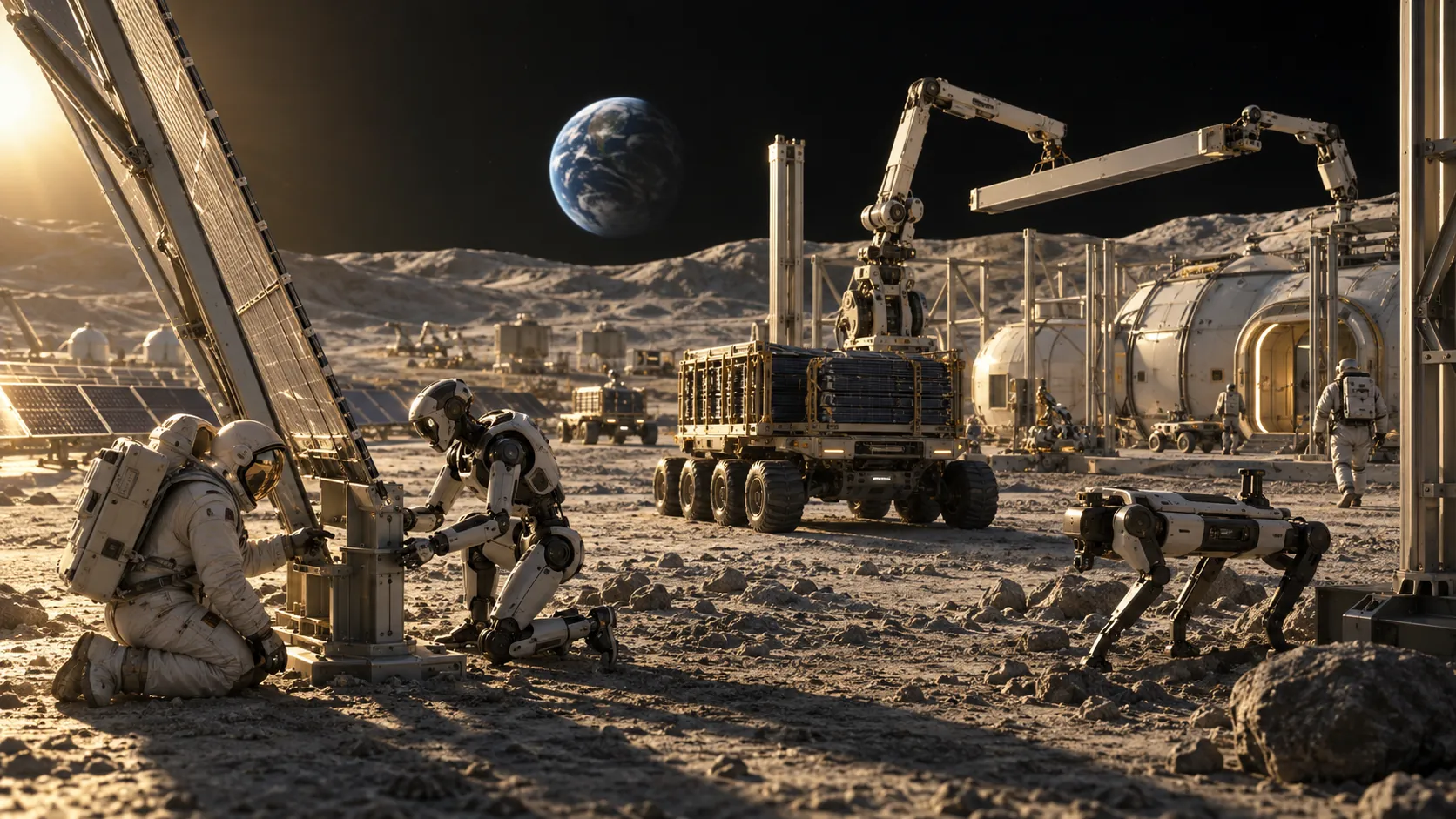
Material handling, infrastructure assembly, maintenance, and construction support.
Discuss a pilot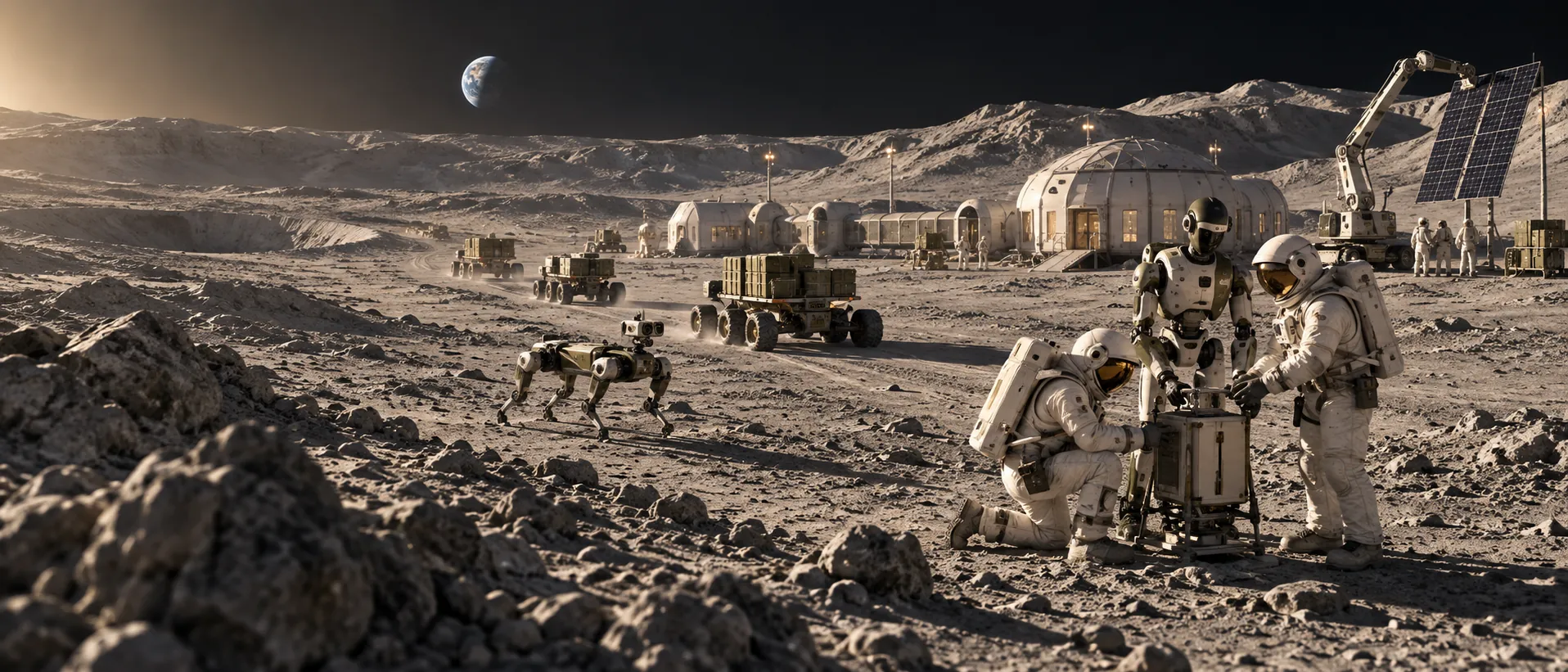
Equipment transport, resupply, and logistics between teams, facilities, and future outposts.
Discuss a pilotService lines in development. Unit names describe operational roles across third-party robot platforms; images illustrate future ambitions.
Prepare sites. Move materials. Assemble the essentials.
Inspect, discover, and extend the crew’s reach.
Survey surroundings. Identify hazards. Support the response.
Future visions · AI-generated concept imagery, not photographs of deployed Section 31 systems.
We aim to integrate platforms from multiple manufacturers, selected for the task. These are illustrative bodies, not a proprietary hardware catalogue. Aerial drones need suitable atmosphere; orbital work needs purpose-built free-flyers.
Built toward clear communication and decisive, useful support.
Human–robot experience with Antroph01 / EARTHInteract. Evaluate. Improve.02 / ORBITExtend human reach.03 / BEYONDBuild a lasting presence.Earth operations first. Space deployment requires adapted hardware, qualification, and launch and mission partners. Proprietary systems come later, informed by work in the field.
The interface between crew and unit.
Meet the partnership